Silicone or TPE
Almost every soft product in this category is sold as silicone, and a large share of them are not. The difference is not snobbery about materials. It decides how long the thing lasts and whether it can be cleaned properly.
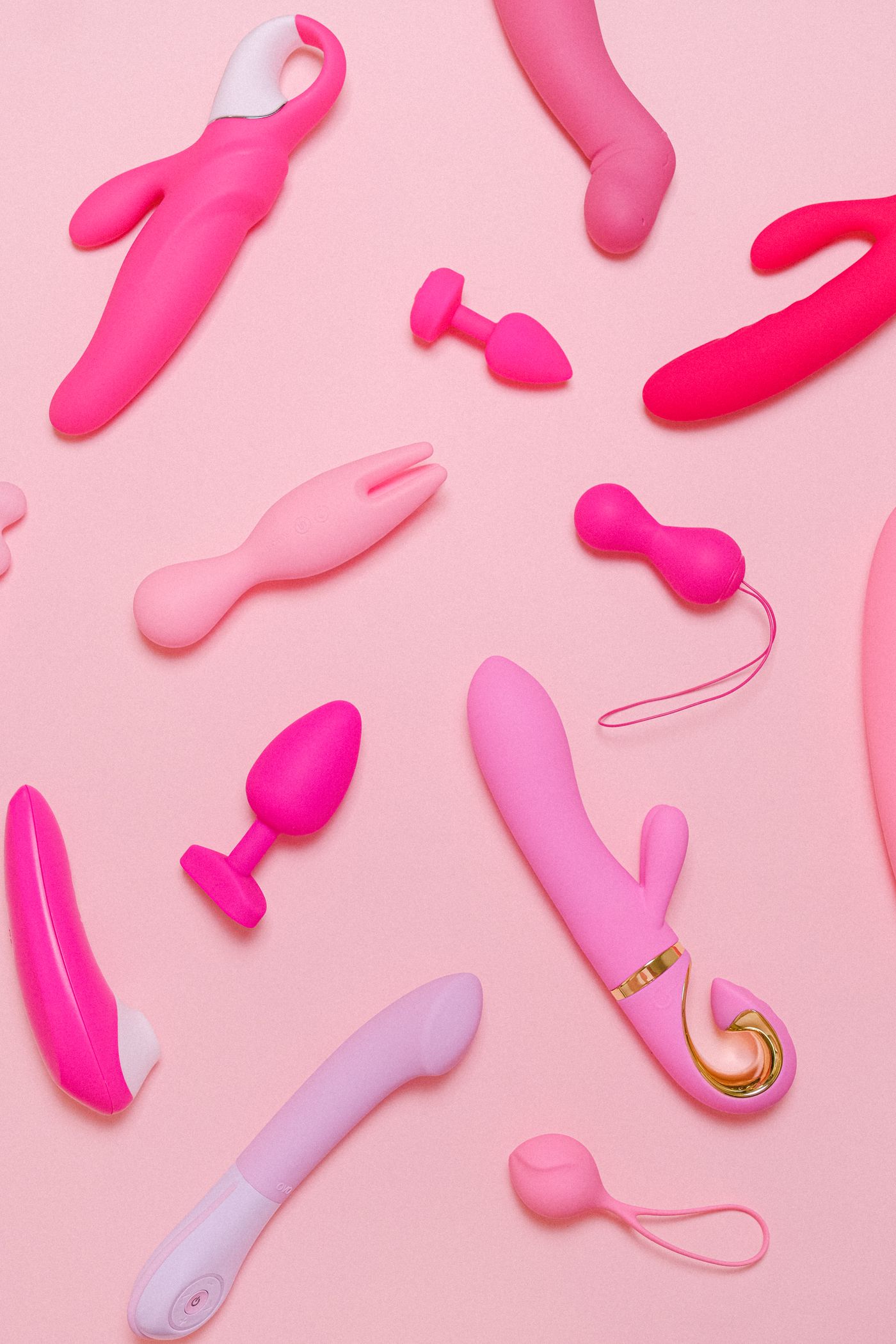
The difference is how they are held together
Platinum-cure silicone is thermosetting. Two components are mixed, a catalyst starts a reaction, and the result is a cross-linked network. Once set, it cannot be melted back down. There is no oil inside it, because it does not need one — the network itself is what makes it soft and springy. That is why a genuine silicone toy does not go tacky with age: there is nothing in it to migrate out.
TPE is thermoplastic. It is a base polymer blended with a large amount of softening oil, and it is shaped by melting. It can be re-melted. It also means the oil is not bonded to anything — it sits in the matrix, and it leaves over time. That is the whole reason for the short life, and for a surface that goes tacky and stays tacky.
So the practical differences are not opinions. They follow from the chemistry.
What each one can and cannot survive
Boiling. Silicone tolerates it. TPE deforms permanently. This is not a caution, it is a melting point.
Alcohol. Silicone is largely unaffected by a brief wipe. Alcohol on TPE pulls oil out of the surface faster than time would, which is why it goes tacky sooner afterwards.
Long-term storage. Silicone can sit in a drawer for a year and be the same object. TPE cannot; it will be softer, tackier, and smellier.
Cleaning depth. Silicone is non-porous, so cleaning is a surface job and it works. TPE holds residue in the matrix and no amount of washing reaches it. This is the difference that matters most for anything used internally.
Lifespan. Years for silicone, months for TPE. A soft TPE toy used regularly is realistically finished in three to six months, a year at the outside.
How to tell which one you have
Price is the most reliable signal. Platinum-cure silicone costs more to make and the retail price reflects it. There is no manufacturing trick that puts genuine silicone into a very cheap soft product.
The wording on the label. "100% silicone", "platinum cure", "medical grade silicone" — the first two are meaningful, the third mostly is not, since there is no single standard behind it. "Silicone blend", "jelly", "realistic skin", "TPE", "TPR" are all the other material with a friendlier name.
The feel out of the box. Silicone feels dry and slightly grippy. TPE feels oilier, and the oil transfers to your fingers.
The stretch test. Pull a thin part and release. Silicone snaps back cleanly. TPE tends to whiten at the stretch point and recover more slowly.
The smell. New TPE has a faint plastic or rubber smell that lingers. Silicone has almost none.
The "medical grade" problem
The phrase gets used to mean "safe enough for the body", which sounds like a certification and is not one. What actually varies between products is the cure system: platinum-catalysed silicone has no by-products to leave behind, while tin-catalysed silicone can. Platinum cure is the thing worth looking for on a label. "Medical grade" on its own tells you nothing you can check.
Which to buy
Buy silicone if you want one object that lasts, if you need to clean it thoroughly, or if it is going to be shared. The price difference is real and it buys a materially different product, not a nicer finish.
Buy TPE if softness is the priority and you accept it as disposable. It is genuinely softer and more skin-like when new, and some shapes are only made in it. Just do not pay silicone prices for it, and do not expect it to still be around next year.
Buy glass or metal if you want no material question at all. Borosilicate and stainless steel are non-porous, tolerate boiling and alcohol, and do not interact with any lubricant. The trade-off is that they are rigid, which rules them out for a lot of uses.
One thing that is not a material problem
A toy that smells after a month of use is usually not a bad material — it is a porous one that was not dried properly before storage. Drying matters more than cleaning for anything that goes in a drawer wet. That applies to silicone too, it is just more forgiving when you get it wrong.
Questions that come up
Is TPE unsafe?
Not in the way that word usually implies. It is not toxic in normal use. The problem is that it is porous and short-lived, which is a hygiene and cost issue rather than a poisoning one.
Can I use silicone lubricant with either?
With silicone toys, low-molecular silicone oil can make the surface tacky; water-based avoids the question entirely. With TPE, silicone lubricant accelerates the oil loss. Water-based is the safe answer for both.
Why is the same shape sold at two very different prices?
Usually because one is silicone and one is TPE in a listing that uses the same word for both. Check the material line, not the photos.
More guides
How much lubricant you actually need
Almost everyone uses too little, and the ones who use too much are not a problem worth solving. The amount is larger than the bottle suggests, and water-based needs topping up on a schedule rather than when things have already gone wrong.
Can lubricant cause thrush?
The honest answer is that some formulations are a plausible contributor and the evidence is uneven across the different mechanisms. The most useful thing on this page is not a yes or no, it is knowing which ingredient list to avoid and why.
Air pulse or vibration
These get sold as if one is the upgraded version of the other. They are different kinds of stimulation, and the difference decides who should not buy the more expensive one.